

These last six months have reaffirmed, in the most substantial way, the role of Information Society as a model organisation for the implementation of the State’s digital transformation projects.
Within the framework of the National Recovery and Resilience Plan “Greece 2.0”, Information Society proceeded with the completion and delivery of a range of projects with a direct impact on the functioning of public administration, the economy and the daily lives of citizens.
At the core of this effort lies the important transition from planning to implementation. From the upgrade of critical infrastructure to the development of new digital services, the projects delivered cover a wide range of sectors, enhancing interoperability, speed and transparency in the way the State functions.
Strengthening the core of the digital State
An important place among the projects is occupied by the new electronic public procurement system (NEPPS), which fundamentally upgrades the public procurement framework, with an emphasis on interoperability and the modernisation of procedures.
At the same time, Information Society delivered new digital tools, such as the Private Debt Monitoring Registry and the Credit Rating System, enhancing the State’s ability to design policies based on reliable data and to more effectively support the economy.
In the justice sector, the implementation of projects of the second phase of the Integrated Court Case Management System moved forward, accelerating the transition to a modern, digital justice administration environment.
Strong social footprint
Interventions in sectors that directly affect society and the daily lives of citizens are of particular importance. The completion of projects such as “Extrovert Agriculture” and the digitisation of critical archives of the Ministry of Foreign Affairs enhance transparency, access to knowledge and the country’s international presence.
At the same time, the development and delivery of the global digital information centre platform, as well as the upgrade of civil protection systems such as ENGAGE within the framework of the “AEGIS” programme, strengthen the operational capacity of the state in exigent circumstances.
Progress in certain health sectors is also significant, with projects such as the National Telemedicine Network offering new possibilities for access to health services, especially in remote areas.
Supporting the economy and businesses
In the sector of entrepreneurship and innovation, the completion of the GAIA-X Accelerator stands out, which contributed to the creation of a dynamic data and innovation ecosystem, with the participation of more than 160 Greek enterprises.
This project is an illustrative example of the utilisation of European initiatives at the national level, aiming to strengthen the competitiveness of Greek SMEs and their interconnection with European data ecosystems.
Asthenidis: Great effort
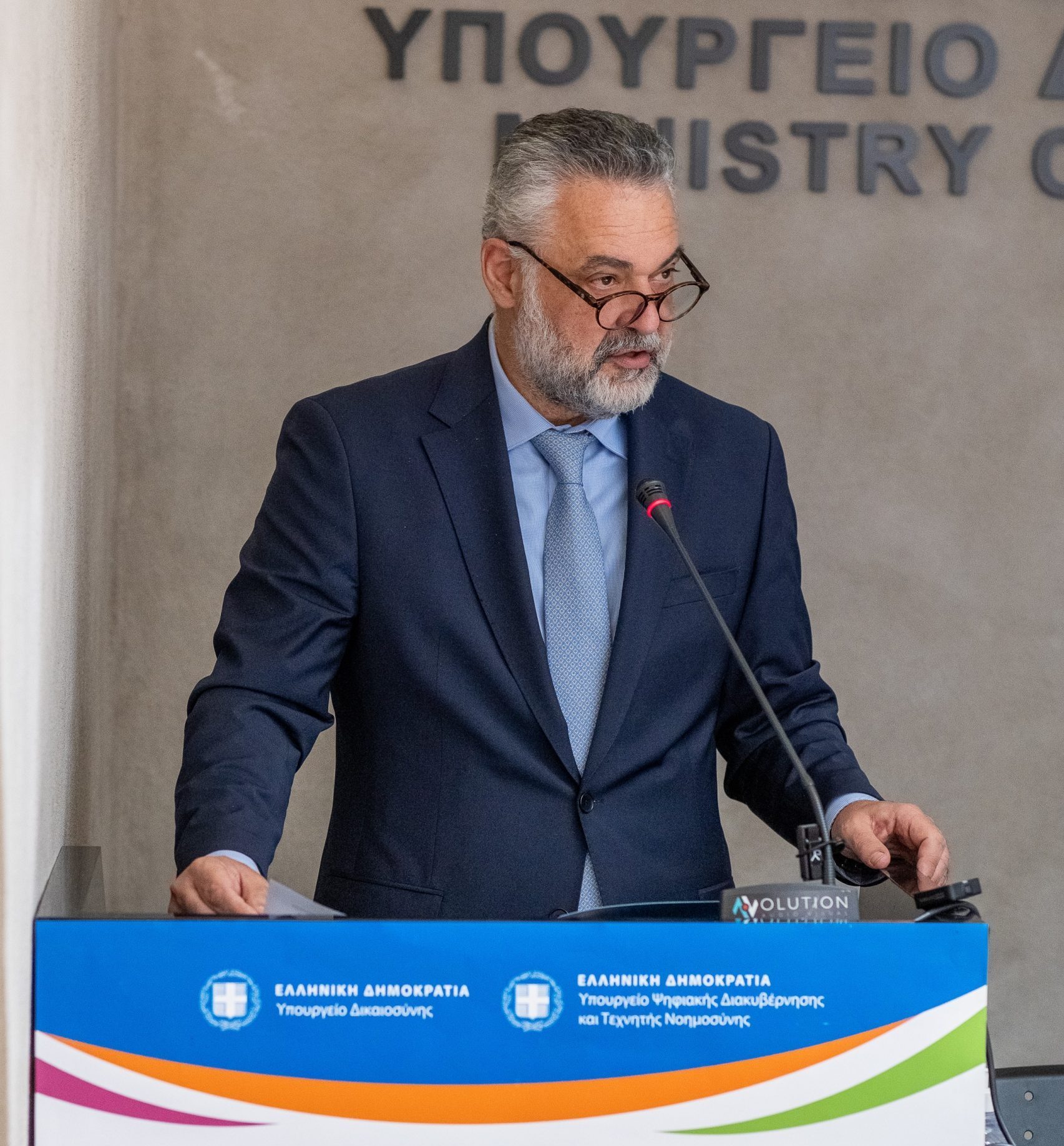
As noted by the Managing Director of Information Society, Mr Stavros Asthenidis: “The vast majority of projects financed by the Recovery Fund are progressing on schedule, despite their complexity and scope, confirming the system’s ability to meet the demands of this great national effort”
The projects completed in the last six months reflect substantial progress in the implementation of the National Recovery Plan, highlighting Information Society as a key lever for implementing digital reforms.
These are interventions that are not limited to technology, but redefine the way the state operates, as well as how it interacts with citizens and supports the economy.
Digital transformation is now entering the era of tangible results, with projects that are already in operation, shaping a new everyday life in public administration and society.




